What Insurance Questions to Ask an Emergency Dentist Ventura
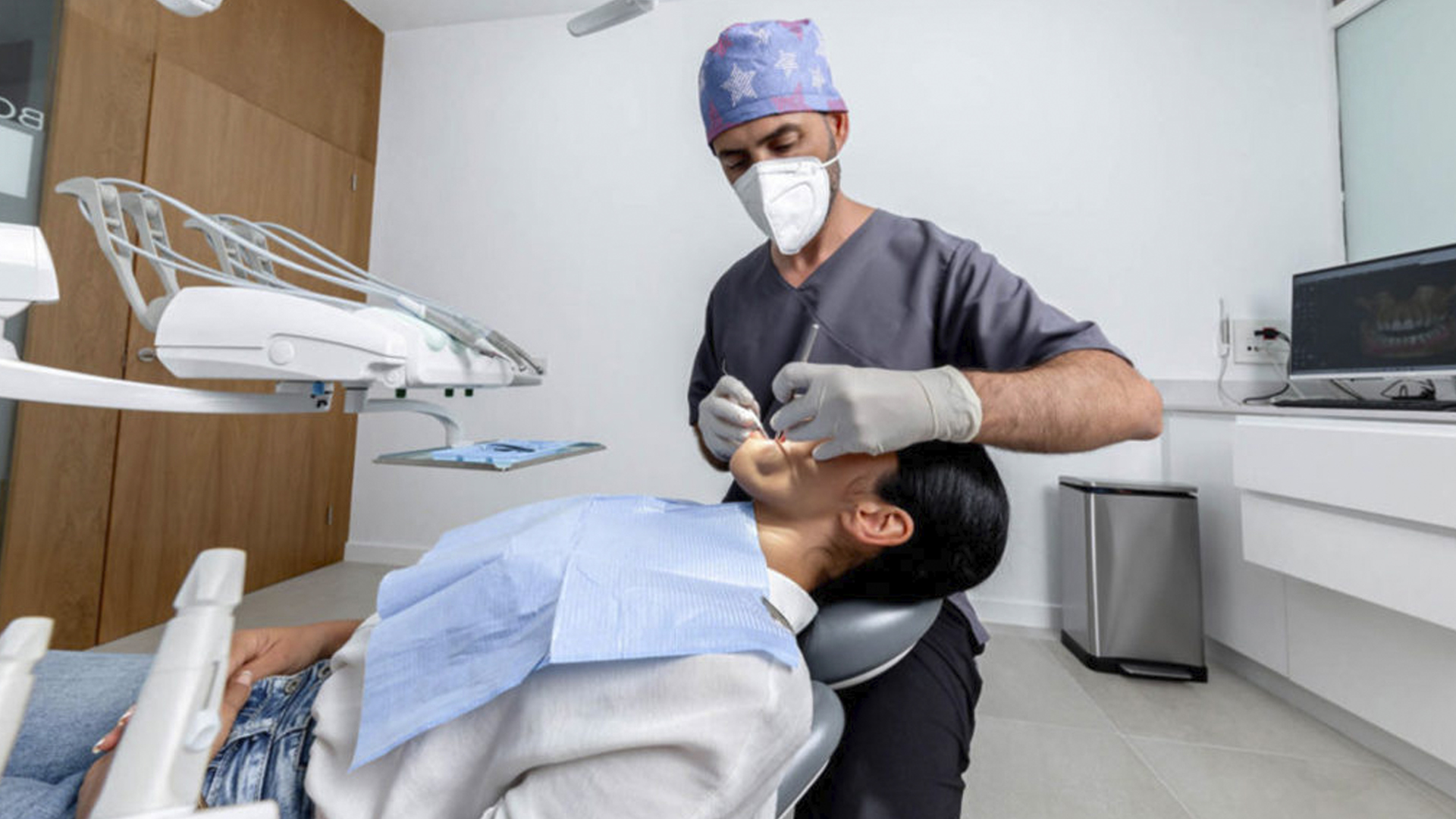


A dental emergency has a way of collapsing your priorities into a single urgent question: how fast can I get treated? The second question usually arrives a few minutes later, often while you are holding an ice pack to your jaw or trying to calm a child with a broken tooth: what is this going to cost, and will insurance help?
That is where many patients get tripped up. They assume the front desk can give a simple yes or no answer, or they rely on a vague memory of what their dental plan covered last year. Emergency dental billing rarely works that cleanly. The exam might be covered one way, the x rays another, the extraction or root canal under a different percentage, and any crown or follow-up visit under yet another set of rules. Add deductibles, annual maximums, waiting periods, frequency limits, and out-of-network fees, and the numbers can drift quickly.
If you are looking for an Emergency Dentist Ventura patients can turn to on short notice, the smart move is not just asking, “Do you take my insurance?” That question is too broad to be useful. What helps is asking a handful of pointed questions that reveal what your plan is likely to pay, what you may owe today, and what surprise charges might show up later.
Why insurance questions matter more in emergency dentistry
Routine dental care gives you time to compare offices, check benefits online, and postpone treatment if the estimate does not feel right. Emergency care is different. Pain changes decision-making. So does infection, swelling, trauma, or a cracked molar that worsens every hour you wait.
In those moments, patients often say yes to treatment before they really understand the financial side. I have seen this happen with things as small as a weekend palliative visit for severe tooth pain and as significant as same-day extraction with bone grafting after a failed tooth. The treatment may be necessary, but the insurance picture can still be murky.
A common example is a patient who hears that the office “accepts” their PPO plan and assumes that means the fees will match in-network contracted rates. Sometimes it does. Sometimes it only means the office will submit the claim as a courtesy while billing its standard fees because it is out of network. Those are very different situations, and the difference can amount to hundreds of dollars.
Another common issue is the gap between emergency relief and definitive treatment. You might go in for pain, receive an emergency exam, x rays, antibiotics, and a temporary measure to stabilize the tooth. A few days later, you may still need a root canal, crown, extraction, implant consultation, or specialist referral. Insurance may cover the first visit one way and the actual repair quite differently. If you only ask about the emergency visit, you are seeing a small slice of the total cost.
The first question: are you in network with my exact plan?
This sounds basic, but it needs precision. Dental offices may work with dozens of carriers, and each carrier may offer multiple PPOs, employer group plans, and marketplace variations. Saying “I have Delta” or “I have MetLife” is not enough. The office needs the exact plan name, group number if applicable, and ideally the subscriber information.
Ask whether the office is in network with your specific plan, not merely whether it “takes” your insurance. Those are not the same. An office can file claims for nearly any plan, but if it is not contracted, your reimbursement basis may be lower and your share higher.
If the office is out of network, ask how that changes the estimate. Some offices can give a reasonable projection based on past claims. Others will be more cautious, which is fair. Insurance companies do not always return benefit information that is as clear as patients expect, especially in emergency scenarios where the exact procedure may change after the exam.
In Ventura, where patients often move between employer-sponsored dental plans, covered California options, and retiree benefits, these distinctions come up all the time. A patient may have used one local dentist in network for years, then switch jobs and discover their new PPO treats that same office as out of network. The address did not change, but the math did.
Ask what the emergency exam includes, and what it does not
An emergency visit is not one single thing in billing terms. It may include a limited oral evaluation, one or more x rays, and sometimes a separate charge for palliative treatment if the dentist performs a procedure to relieve acute pain. If the office opens and drains an abscess, smooths a broken tooth, places a sedative filling, or temporarily recements something, the claim can involve more than just the exam.
The practical question is this: what line items are likely on today’s bill?
That wording helps because it prompts the office to describe the likely pieces instead of giving a vague total too early. Even an experienced scheduler may not know the final treatment without the dentist’s findings, but they can usually tell you whether emergency exams, periapical x rays, panoramic images, cone beam scans, and palliative procedures are commonly billed separately.
This matters because many plans cover a limited exam at a high percentage, sometimes even like preventive or basic diagnostic care, while palliative treatment and problem-focused imaging may fall under a different category. If you need a cone beam scan for a fractured root or wisdom tooth complication, coverage can become especially plan specific.
Clarify whether your insurance benefits were actually verified
Patients often hear, “We’ll verify your insurance,” and assume that means the office has a reliable, detailed answer from the insurer. Sometimes the verification is robust. Sometimes it is just a quick eligibility check confirming the plan is active.
There is a big difference between active coverage and verified benefits for a specific emergency procedure.
Ask whether the team confirmed your plan’s deductible, annual maximum, waiting periods, and remaining benefits for this year. If they did, ask whether that information came from the insurer directly, an online portal, or an estimate based on standard plan patterns. None of these methods is inherently wrong, but they carry different levels of certainty.
An experienced front office will usually be candid. https://caidencvlj878.inkharbory.com/posts/how-emergency-dentist-ventura-supports-recovery-after-dental-trauma They may tell you, for example, that your eligibility is active, your annual maximum appears to have $900 remaining, and basic services are listed at 80 percent after deductible, but the insurer would not guarantee the exact benefit for today’s palliative procedure until the claim is processed. That is a realistic answer. It is better than false confidence.
Ask which part of the treatment is considered diagnostic, basic, major, or not covered
Dental insurance has its own language, and emergency treatment often crosses categories. A single visit may start with diagnostic services and then move into basic restorative care or oral surgery. The category matters because coverage percentages often differ sharply.
A plan might cover diagnostic x rays and limited exams at a high rate, simple extractions as a basic or oral surgery benefit, root canal therapy at another percentage, and crowns as major services with a lower reimbursement. In some plans, a temporary solution that relieves pain may be covered, while a more durable restorative repair receives less favorable treatment.
This is one of the best questions to ask because it forces the estimate into plain financial terms. If the office says, “Your exam and x rays are likely covered at the diagnostic level, but if you need a crown that would be a major service,” you immediately understand that the real cost exposure may not be today’s emergency visit but the next phase.
That distinction becomes especially important if you are seeing an Emergency Dentist Ventura office for rapid relief but may later continue care with your regular dentist or a specialist. You want to know not only what today costs, but where the bigger bills are likely to land.
Ask about annual maximums before agreeing to definitive treatment
Dental insurance annual maximums are one of the most misunderstood limits in oral healthcare. Many patients assume that if a procedure is “covered,” insurance will continue paying as long as the treatment is medically necessary. Most dental plans do not work that way. Once you hit the annual maximum, the remaining costs are yours unless you have secondary coverage or another unusual benefit structure.
Emergency treatment can eat into that maximum fast, especially if the issue leads to a root canal, crown, extraction with grafting, or replacement options. A patient who already used benefits earlier in the year for cleanings, fillings, or a night guard may have less room than expected.
The right question is not just, “What does my insurance cover?” It is, “How much of my annual maximum is still available, and how might today’s treatment affect what I have left for follow-up care?”
That second part matters. Sometimes the dentist can safely stage treatment, addressing infection or pain first and helping you plan the larger restorative step with better timing. I have seen patients avoid financial strain simply because they learned they were within a few months of a benefit year reset. Of course, that only helps when delay is clinically safe. If there is active infection, spreading swelling, trauma, or a tooth that cannot be saved, waiting for a new benefit year may be a bad trade.
Waiting periods can surprise patients, especially after job changes
A lot of people discover the phrase “waiting period” at exactly the wrong moment. They switched employers, enrolled in a new plan, and assumed they were fully covered from day one. Then they crack a tooth two months later and learn that major services may not be payable yet.
Emergency exams are often covered even when larger procedures are subject to waiting periods, but not always. Basic and major services vary by plan. If your coverage is relatively new, ask directly whether any waiting period could affect fillings, extractions, root canals, crowns, or oral surgery related to the emergency.
This comes up often enough that it is worth being blunt. Tell the office when your coverage started. If the policy began recently, ask them to flag any procedure that could be delayed or denied because of plan timing. It is far better to hear, “Your exam is fine, but the crown may not be covered until six months” before treatment than after the claim is denied.
Pre-authorization is different from emergency treatment approval
Patients sometimes ask whether the office can get “approval” before starting care. In routine situations, a pre-treatment estimate or pre-authorization can be useful. In emergencies, there may not be time. A dentist treating severe pain, acute infection, or dental trauma may need to act before the insurer gives any detailed response.
Still, this does not mean you should ignore the issue. Ask whether the recommended procedure typically requires pre-authorization, and if so, whether the lack of it may affect reimbursement. Many emergency services proceed without formal pre-approval, but large restorative follow-up work might benefit from one if the clinical situation allows time.
This is especially relevant when the dentist is deciding between short-term stabilization and a more definitive same-day treatment. The faster route may be clinically sound, but you should understand if insurance prefers documentation first.
Know the difference between an estimate and a guarantee
This may be the most important financial question of all. Ask the office whether the amount they quote is an estimate based on available benefits information or whether it reflects contracted in-network obligations. Even in-network estimates can change after claim review, but out-of-network projections are especially variable.
A seasoned front desk team will often phrase it carefully: “This is what we expect your plan to pay, but the insurer makes the final determination.” That statement is not hedging for the sake of it. It reflects reality.
When patients feel blindsided later, the problem is often not dishonesty but misunderstanding. They took a verbal estimate as a promise. To avoid that, ask for a written treatment estimate when possible, especially if the visit may move beyond exam and x rays into extraction, root canal access, or other immediate care.
Questions worth asking before treatment starts
Use these when you call or when the treatment coordinator reviews the plan with you:
- Are you in network with my exact dental plan, or will you bill as out of network?
- What charges are likely today besides the emergency exam, such as x rays or pain-relief procedures?
- Have you verified my deductible, annual maximum, and waiting periods for this plan?
- Which recommended treatments are likely diagnostic, basic, major, or potentially not covered?
- What is my estimated out-of-pocket cost today, and what follow-up costs might come next?
Five direct questions can prevent a lot of confusion. They also signal to the office that you want specifics, not a generic assurance.
If the office is out of network, the conversation should get more detailed
Out-of-network care is not automatically a bad choice. In a true emergency, speed, skill, and availability may matter more than network status. But you need a clearer picture of how billing works.
Ask whether you will pay the full fee at the visit or only an estimated patient portion. Some out-of-network offices collect everything upfront and have the insurer reimburse the patient directly. Others estimate the insurance payment and collect the balance they expect you to owe. Either system can work, but you do not want to discover the arrangement at the checkout desk while in pain.
Also ask whether the office fees exceed your plan’s allowed amount. If they do, you may owe the difference in addition to coinsurance and deductible. Patients often miss this point. They know their plan covers, say, 80 percent of basic services, but they assume that percentage applies to the office fee. Often it applies only to the insurer’s allowed amount, which may be lower.
Here is a simple illustration. If a plan’s allowed amount for an extraction is $200 but the office fee is $300, 80 percent coverage may mean the insurer pays 80 percent of $200, not 80 percent of $300. If you still have a deductible, the patient portion rises further. That gap is where out-of-network surprise bills happen.
Sedation, after-hours fees, and specialty referrals need separate insurance questions
Not every emergency involves sedation, but when it does, assume nothing. Sedation benefits vary widely. Some plans do not cover them except under narrow circumstances. Others may offer partial coverage for surgical extractions or specific medical conditions.
After-hours or weekend charges can also be tricky. If you call an Emergency Dentist Ventura office on a Sunday morning and are seen the same day, there may be a premium associated with the convenience or staffing pattern. Ask whether any after-hours fee applies and whether insurance usually covers it. Many plans do not.
If the emergency dentist refers you to an endodontist for a root canal or an oral surgeon for an impacted tooth or facial swelling, start the insurance conversation over again. Network participation may differ by provider even within the same geographic area. A patient may be in network with the emergency general dentist but out of network with the specialist available that afternoon.
Children’s dental emergencies come with their own coverage issues
Parents dealing with a child’s injury are understandably focused on comfort first. Still, insurance details can matter a great deal when trauma is involved. A chipped baby tooth, a displaced permanent tooth, or a sports injury may require imaging, splinting, follow-up exams, and monitoring over time.
Some plans handle trauma-related services well, but frequency limits and age-based coding issues can still create confusion. If there is any chance the injury also involves medical insurance, for example after a fall, playground accident, or sports collision, ask whether the dental office coordinates with medical claims or whether you need to pursue that separately.
I have seen parents assume the dental plan was the only avenue, only to learn later that parts of trauma care might have been eligible under medical coverage depending on the injury and setting. That is never guaranteed, but it is worth raising when facial trauma is involved.
What to ask if you do not have dental insurance
Lack of dental insurance does not mean you are out of options, but it does mean you should shift the conversation toward cash pricing, payment timing, and scope of treatment. Ask whether the office offers an emergency exam rate, same-day payment discount, in-house membership plan, or financing for larger procedures.
More importantly, ask the dentist to separate urgent care from definitive care when clinically appropriate. Sometimes you need everything done immediately. Sometimes you need relief today and a well-planned permanent solution next week. Those are not the same financially.
An honest office will explain the trade-offs. A sedative filling may buy time but is not the same as completing a root canal. An extraction may solve pain with lower immediate cost, but replacement later can be more expensive than preserving the tooth if saving it is realistic. This is where judgment matters more than any script.
A short script that works on the phone
Patients often freeze when they call because they are hurting and do not know what to ask. A simple script helps:
“Hi, I think I need emergency dental care today. I have this insurance plan, and I want to understand both availability and cost. Can you tell me whether you are in network with my exact plan, what an emergency visit usually includes, and what you can verify about my deductible, annual maximum, and likely out-of-pocket cost before I come in?”
That wording is practical and respectful. It gives the scheduler enough to work with and usually leads to much better answers than “Do you take my insurance?”
The best offices balance urgency with transparency
During a genuine dental emergency, no reputable office should let paperwork interfere with necessary care. At the same time, good emergency dental practices understand that financial clarity is part of patient care. People make better treatment decisions when they know what is urgent, what can wait, what insurance is likely to cover, and where the risk of extra cost sits.
That is what you should look for when choosing an Emergency Dentist Ventura provider. Not just a practice that answers the phone quickly, but one that can explain the difference between eligibility and benefits, between in-network and out-of-network, between temporary relief and definitive repair. Those explanations may not make the tooth stop throbbing, but they prevent a second kind of pain, the kind that arrives weeks later in a confusing statement from your insurer.
If you ask the right insurance questions at the start, you are more likely to leave the visit with a workable plan. That plan should cover more than the tooth. It should cover the timeline, the likely charges, the next steps, and the places where uncertainty still exists. In emergency dentistry, that level of clarity is not a luxury. It is part of competent care.
Avra Dental
1708 S Victoria Ave B, Ventura, CA 93003, United States
Phone: +1 805-765-3206
FAQ About Emergency Dentist Ventura
Can the ER do anything for tooth pain?
An emergency department can assess serious symptoms and provide temporary relief, but definitive dental treatment usually requires a dentist. Trouble breathing or swallowing, uncontrolled bleeding, or swelling spreading into the neck requires emergency medical care.
What do I do if I have a dental emergency and no dentist?
Contact a local emergency dental practice promptly, explain your symptoms, and ask about the earliest available assessment. Avra Dental provides emergency dentistry in Ventura; call to confirm availability. If you have life-threatening symptoms or a serious facial injury, go to an emergency department or call 911.
What do I do if tooth pain is unbearable?
Seek urgent dental assessment rather than waiting for the pain to pass. While arranging care, gently rinse with warm water and avoid placing aspirin directly on the tooth or gums. Severe pain with trouble breathing or swallowing, rapidly spreading swelling, or uncontrolled bleeding needs immediate emergency medical care.